It is very rare that you get to work with even a single expert in any given field. It is even more of a real privilege to be able to work with multiple leading experts across a range of subspecialties within any given field. Here you truly walk amongst giants, and that is what really made me want to come to Mount Sinai.
Many excellent programs exist in New York and nationwide. What distinguishes this program for me is its intimate atmosphere within a large institution.
I was immediately captivated by the strong sense of community. This is clearly a place dedicated not just to science and clinical care, but also to fostering comfort and support within the division. You immerse yourself in the institution’s history and benefit from its tradition of advancing research in these diseases.
Read More: mywebinsurance.com health insurance
This program gives you the best of all worlds. It combines two worlds that can be very difficult to see the middle ground between. It gives us a sense of how we can practice in the community as well as in a large academic centre. There is a real emphasis in our culture here about pushing things forward. What is new? What is next? How are we really going to make things better for patients? How are we going to make things better within health care?
Mount Sinai: A Leading Academic Health System
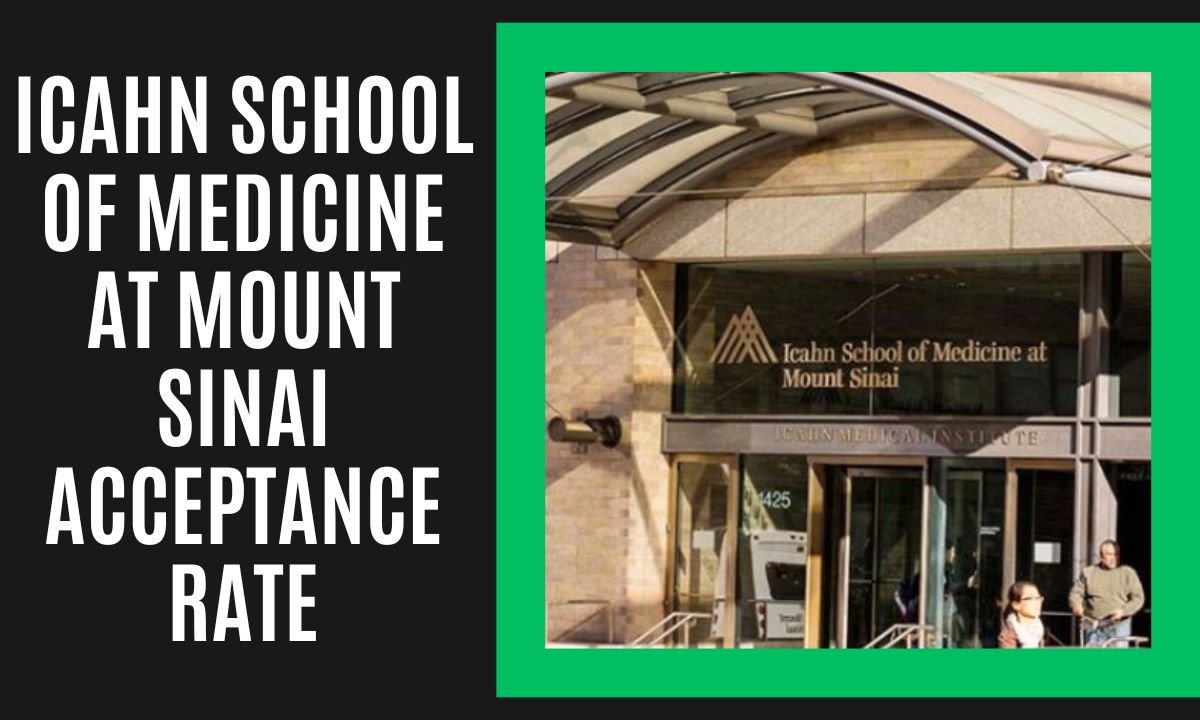
For the next phase of your medical career, Mount Sinai is one of the top academic health systems in the world, with eight hospitals in the New York metropolitan area and a large network of ambulatory and outpatient care. There is almost nothing that one can study in medicine that one cannot study at Mount Sinai.
What sets Mount Sinai apart is the fact that trainees are able to train at multiple hospitals, providing a diverse patient experience. Since 2014, Mount Sinai has been the largest graduate medical education program in the country. We currently have more than 2,546 residents and fellows and more than 240 programs.
Our residency and fellowship programs will offer you the opportunity to develop the necessary skills to become a top physician, surgeon, medical educator, and physician scientist. You will be a leader in healthcare.
Commitment to Equity and Social Justice
The reason there is a Mount Sinai is because of social justice and because of equity. There would be no Mount Sinai if there were not problems with health equity and social justice in the past. It is not uncommon for us to see patients who have not really been touched by the health care system before.
It really matters that equity is part of the core of where someone trains. We shine an equity lens on everything that we do. One of the beauties of the training programs and the Mount Sinai Health System is the very beautiful and incredible diversity of the communities that we serve.
Read More: Does Health Insurance Cover Car Accident Injuries? (Full Breakdown)
It is extremely important to learn about the social determinants of health and to learn not just how to be a physician that is well-trained in your specialty, but also to be socially responsible.
The Culture That Defines Mount Sinai
Once you are looking at the top institutions, one really important thing to look at is the culture that you want. The culture that is inclusive, that is welcoming, that is creative, that is open. It is the environment in which you train that truly makes you a physician and truly builds your character and rapport with the patients that you then care for.
There is something different about Mount Sinai. When I walked in here, I just felt the family and the camaraderie. There is definitely a team approach here to dealing with patient care, and you definitely learn from everyone else’s perspectives. mobile
You finally have a seat at the table. Your opinion is valued. Faculty stands out because there is no rigid hierarchy as found at other institutions. It feels like true collegiality with attendings. Working with experts who invite open dialogue and encourage growth is invaluable. They want us to thrive and succeed.
Diversity and Inclusion at the Core
Our patients are diverse, and we should be diverse too. I know that it is important to Mount Sinai by how they recruit people and how they ask how this program can be better, and how we can support you as a woman of colour in medicine.
We cannot excel in patient care or support each other without true diversity and inclusion. That is a fundamental value for our training programs and consistent with our health system’s mission. It is a principle that has kept me here for four decades.
A Place for Growth and Excellence
This is a place where you will discover yourself. This is a place where you grow. This is a place where you are challenged. This is a place where you are put out of your comfort zone. This is a place about learners, and you feel that on rounds. You feel that when you are talking to your mentors. You feel that when you are doing your research. This is a place that loves to cultivate learning.
The future of American healthcare is going to depend a lot on having people who are trained to take care of whatever your problem is right here, right now. Here at Mount Sinai, you will find research, clinical care, education, social justice, caring and empathy, and everything that you need to not just be a physician who provides great clinical care but a physician who changes medicine and makes medicine better.
The future generations will see you as someone who has improved and changed the world. The nature of the program and the culture of the program are not only to protect and love the fellows but to protect and love the patients. That is not rhetoric. It really translates to a daily experience. That is real stuff.
I came here, and I immediately felt comfortable. I felt very well cared for. I felt that it was a place where I would not be allowed to just sit back and accept mediocrity. I would always be pushed gently, but always pushed to discover a better version of myself. That is not something you get everywhere.
FAQ
Q: What makes Mount Sinai’s residency and fellowship programs unique?
A: Mount Sinai offers a small program feel within a large, world-class academic health system. Trainees benefit from working with leading experts, diverse clinical settings, and a strong sense of community.
Q: How large is Mount Sinai’s graduate medical education program?
A: Since 2014, Mount Sinai has been the largest graduate medical education program in the country, with more than 2,546 residents and fellows across more than 240 programs.
Q: What is Mount Sinai’s approach to diversity and equity?
A: Equity and social justice are core values. The institution serves highly diverse communities and emphasises social determinants of health, inclusion, and support for underrepresented groups in medicine.
Q: What kind of training environment does Mount Sinai provide?
A: A supportive, non-hierarchical culture with strong faculty mentorship, collaborative teamwork, and a focus on personal and professional growth.
Q: Who is Mount Sinai ideal for?
A: Medical graduates seeking rigorous training that combines clinical excellence, research opportunities, innovation, and a commitment to health equity and social justice.
Conclusion
Mount Sinai distinguishes itself as a premier site for residency and fellowship training, offering an ideal balance of academic excellence and personal support. With its rich history, diverse patient population, commitment to equity, and culture of growth, Mount Sinai prepares physicians to provide outstanding care, lead, and transform healthcare. Trainees are challenged, supported, and inspired to achieve their best selves and make a meaningful impact.